Down the railroad: another reality (2017)
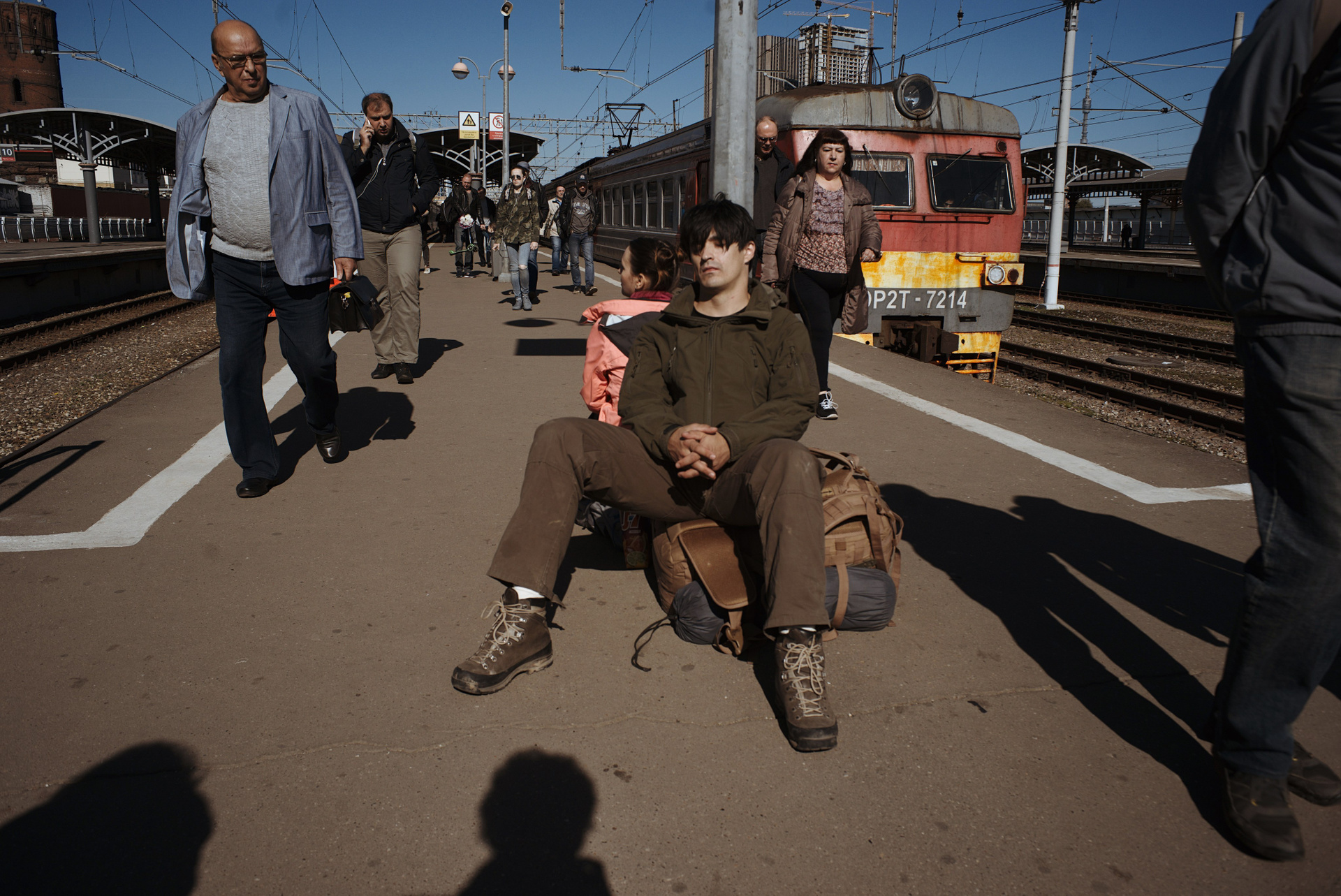
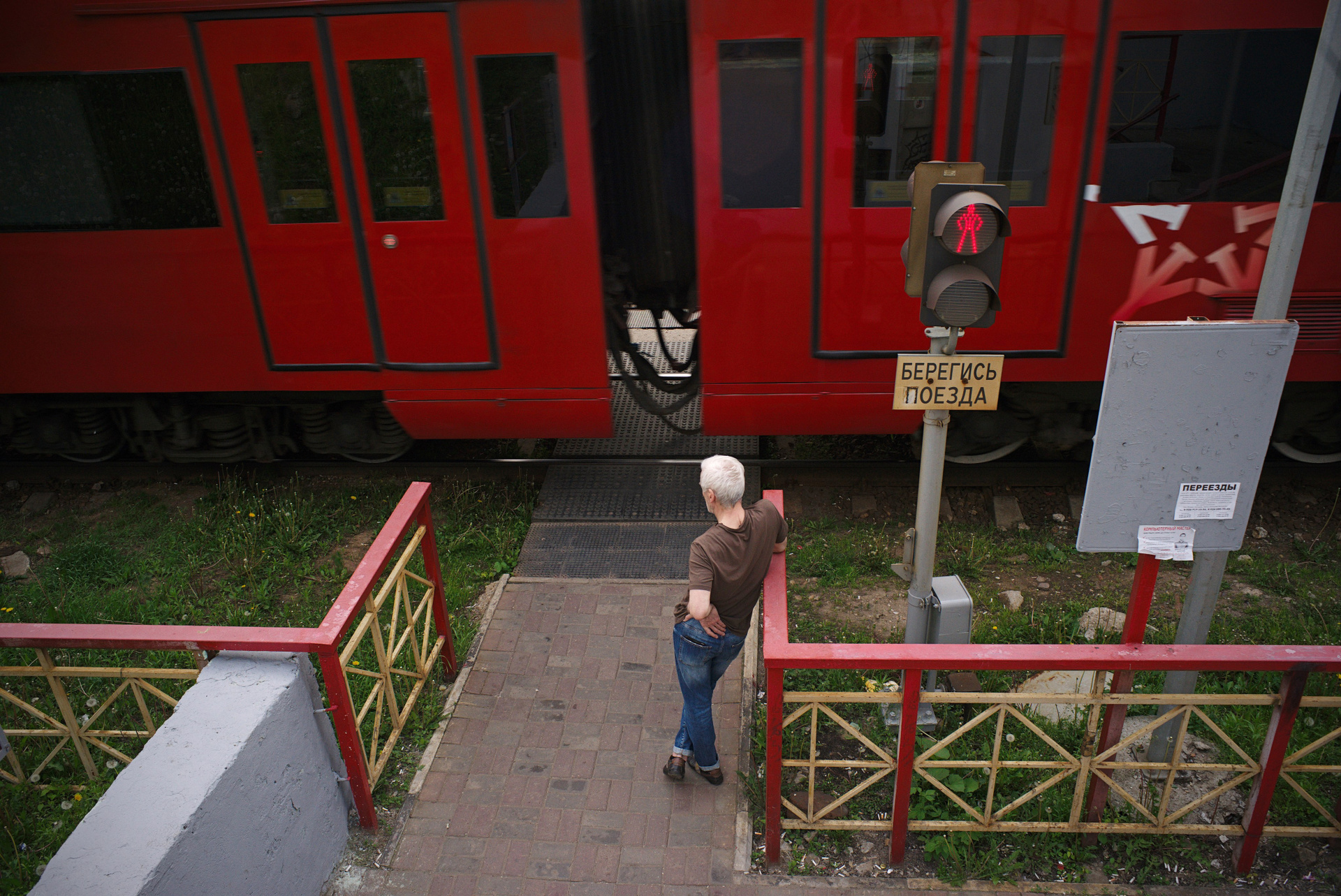
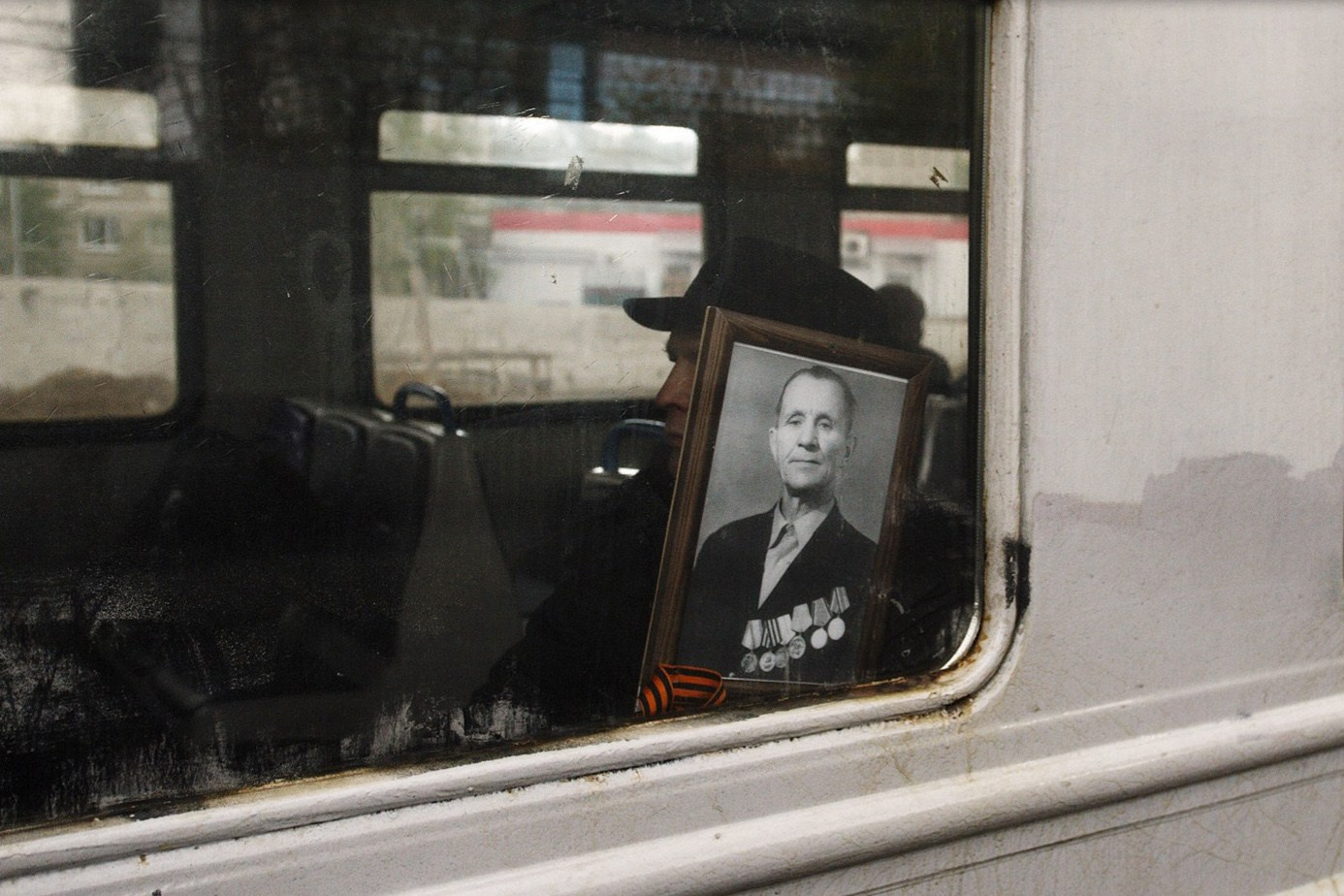
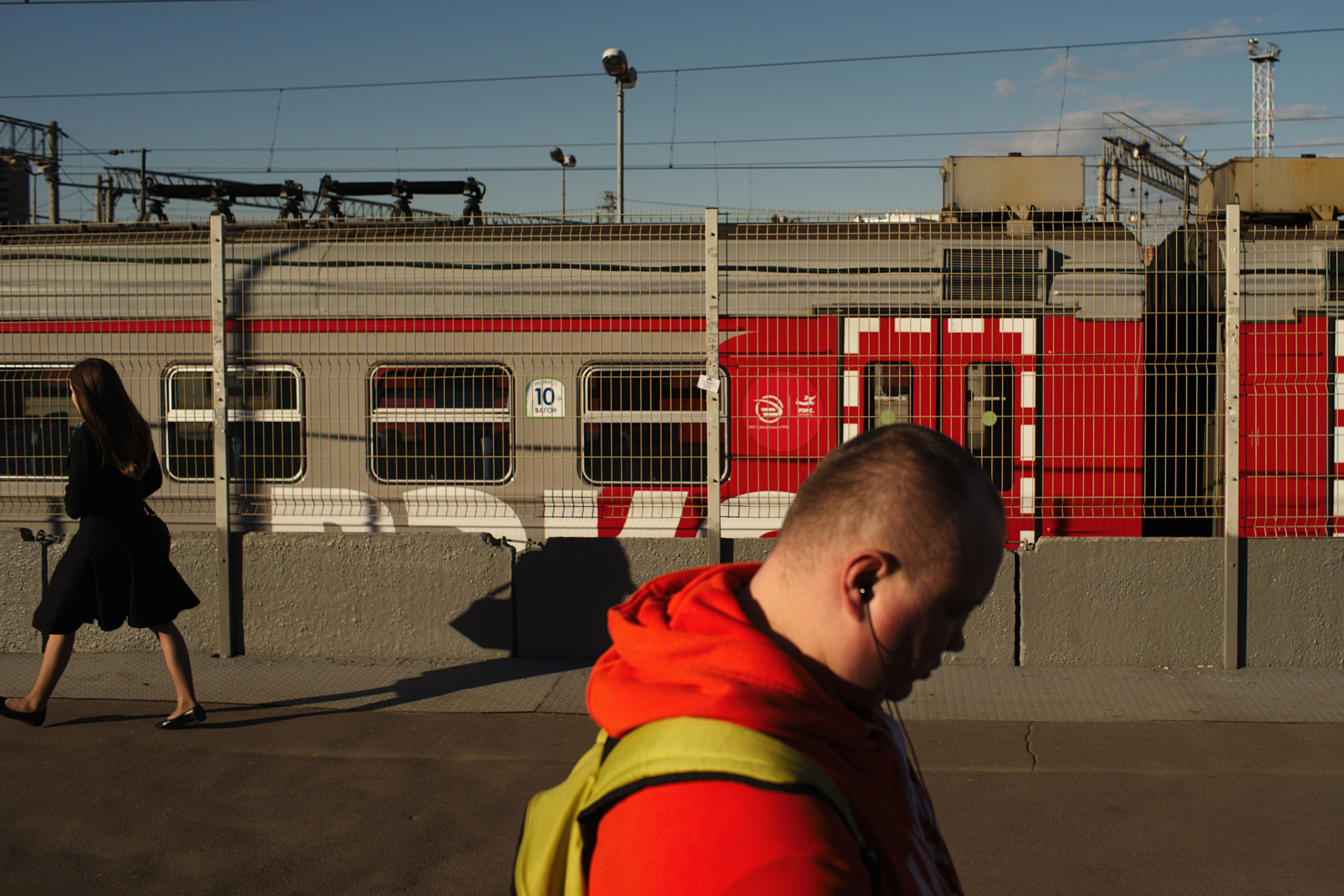
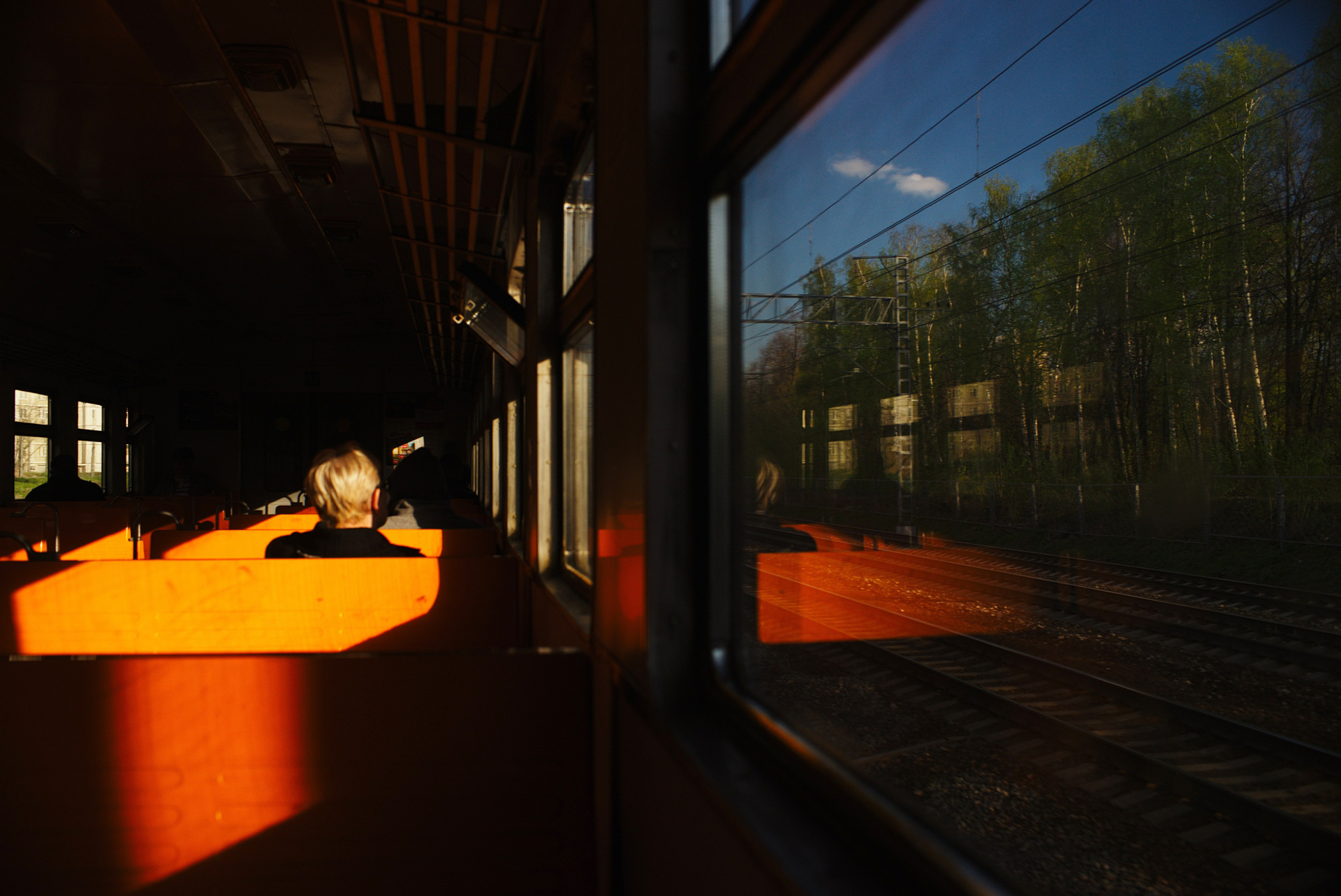
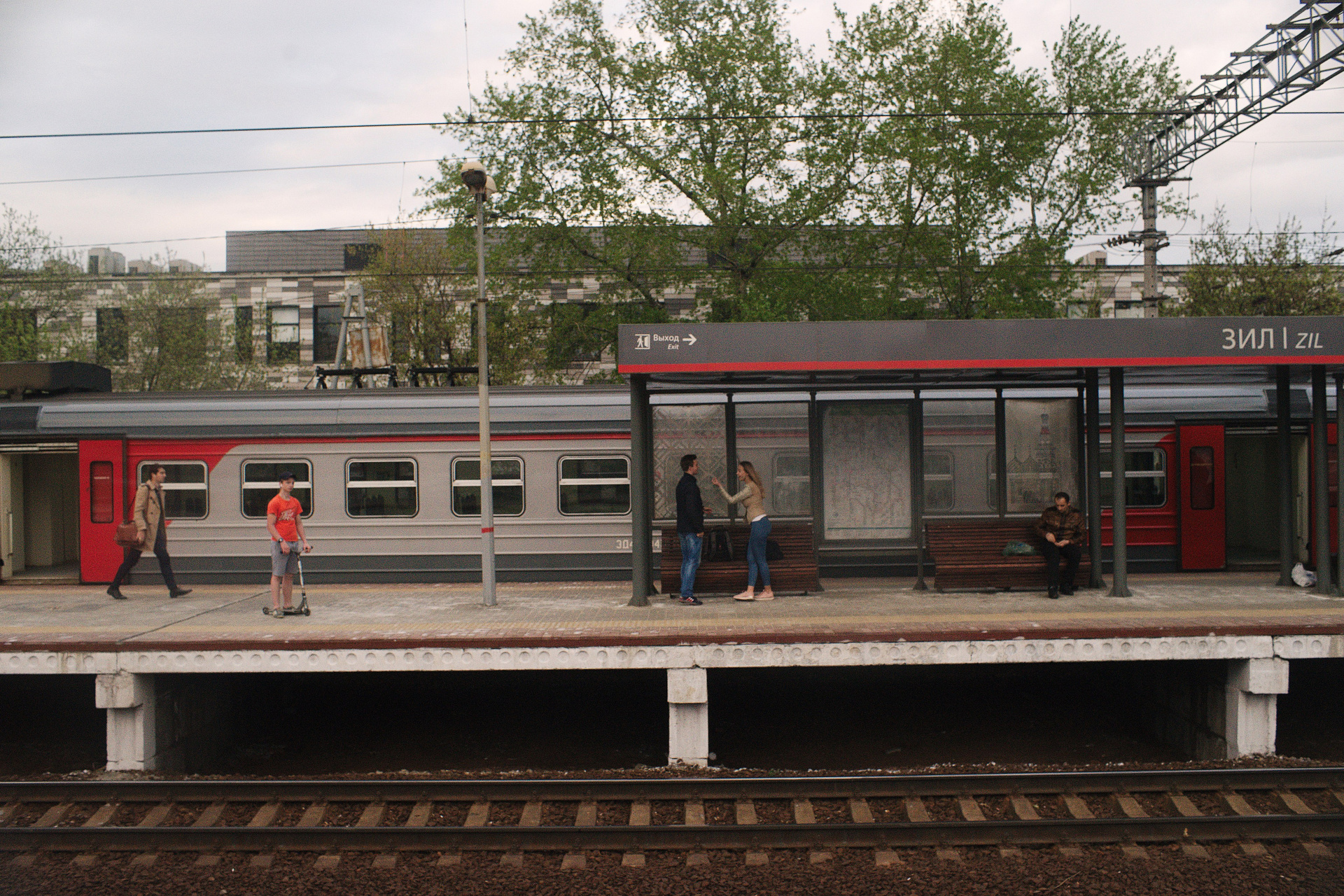
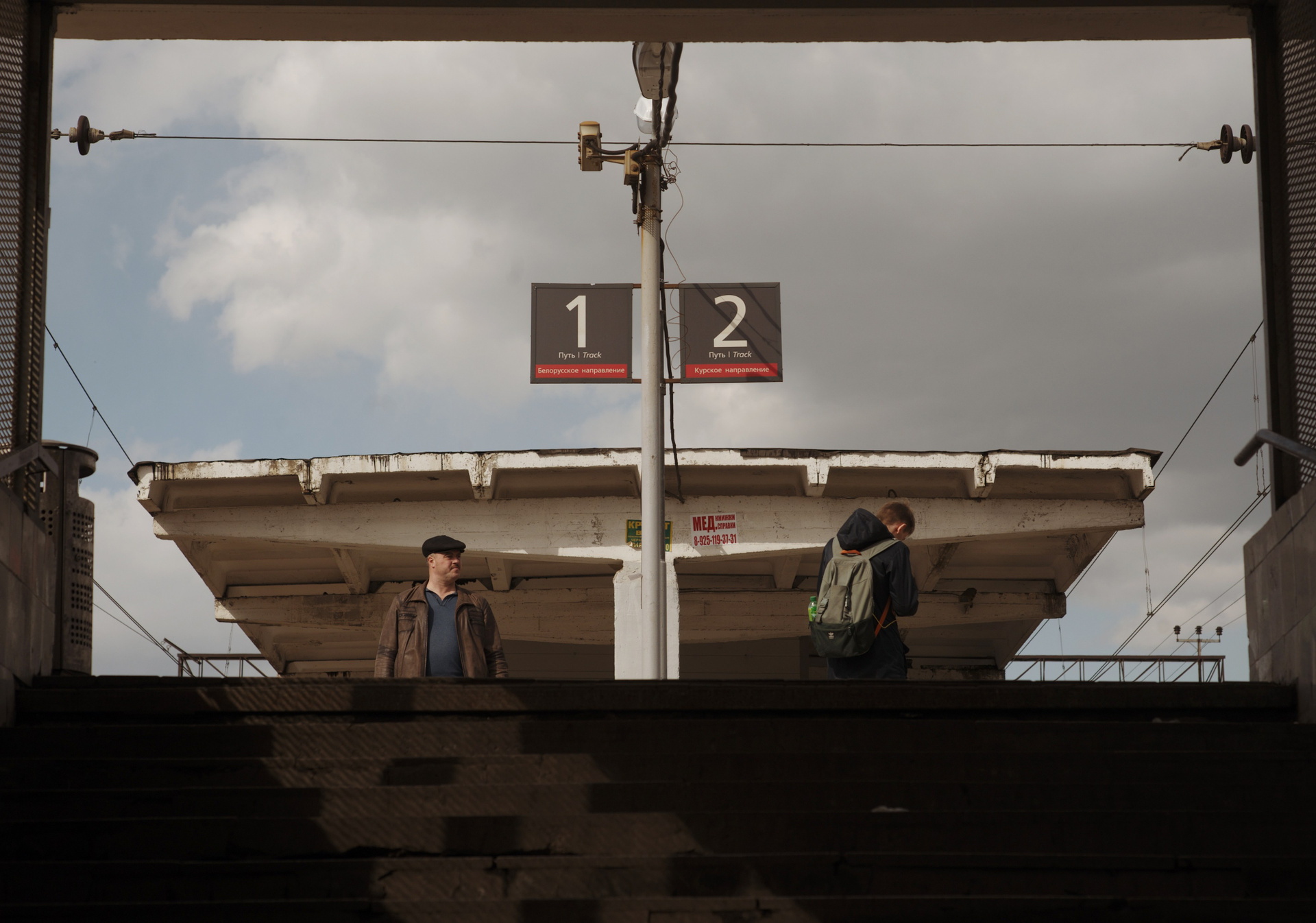
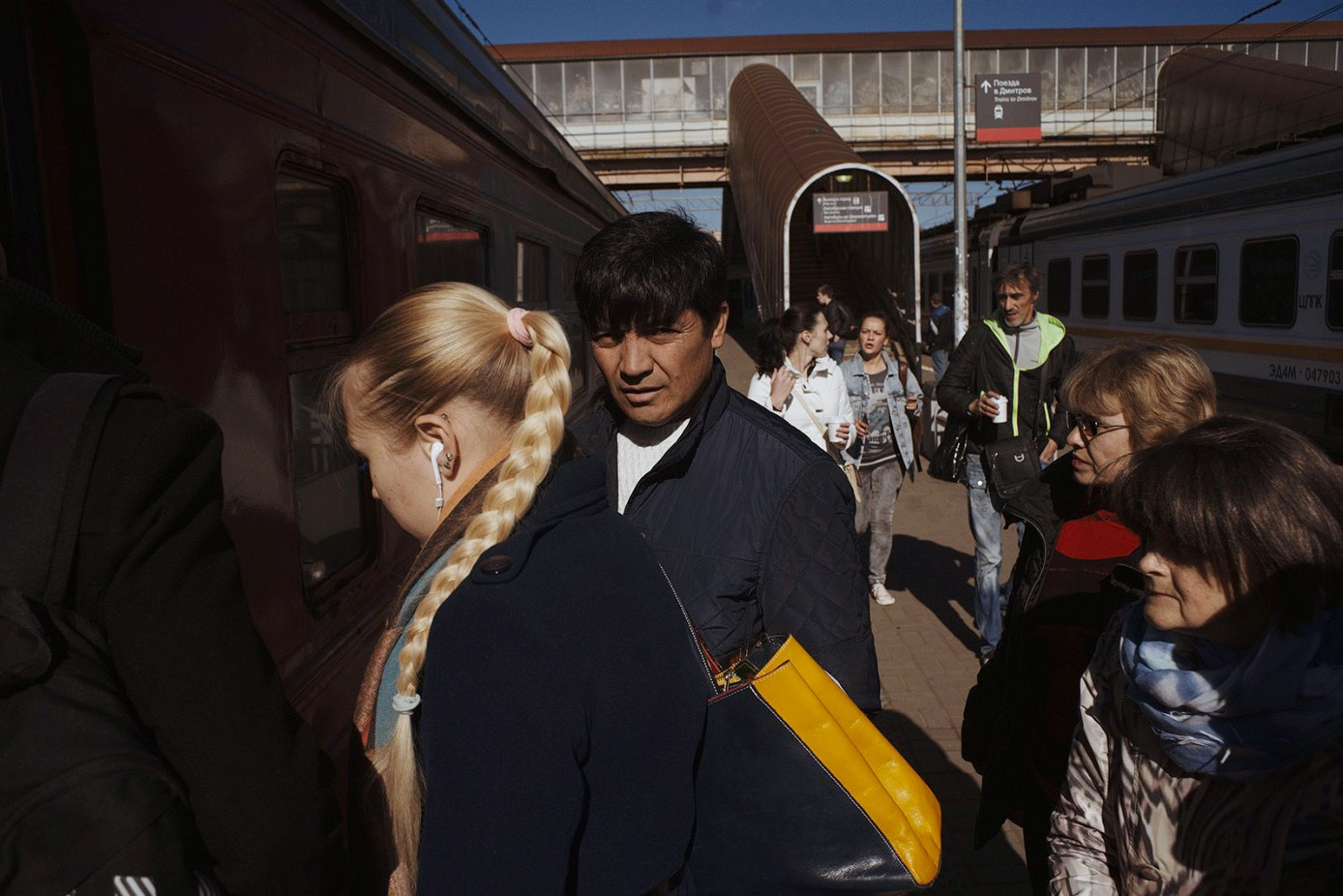
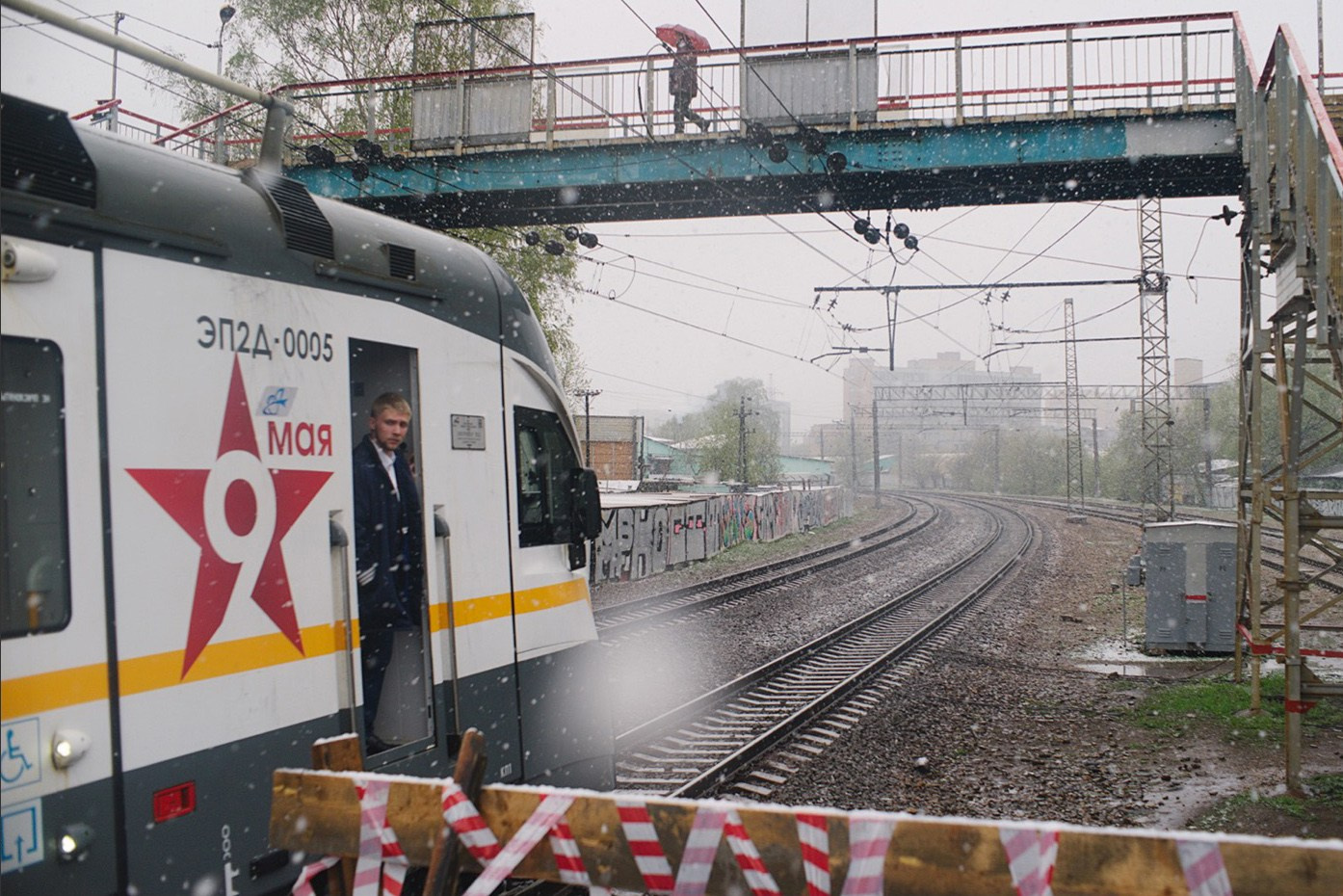
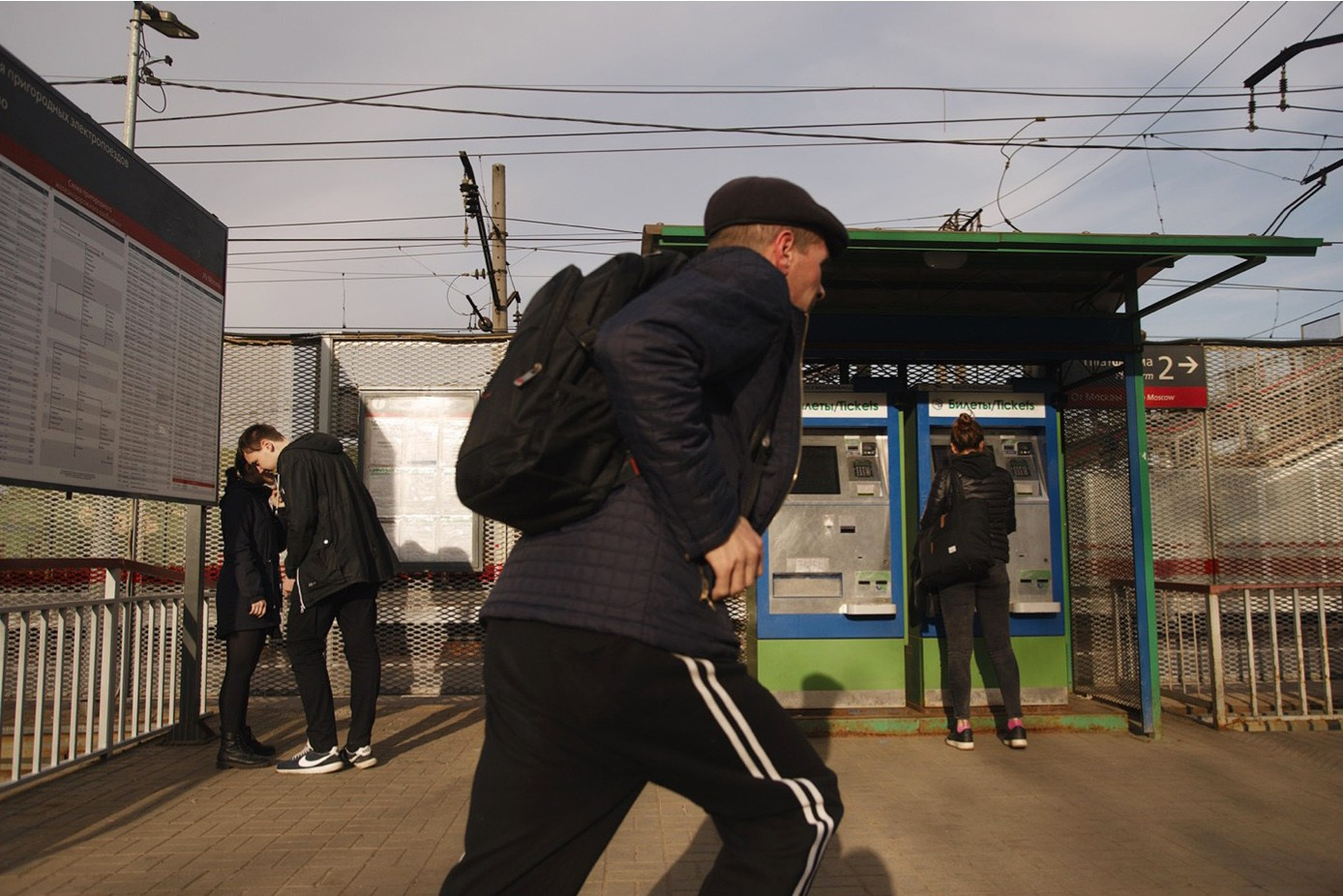
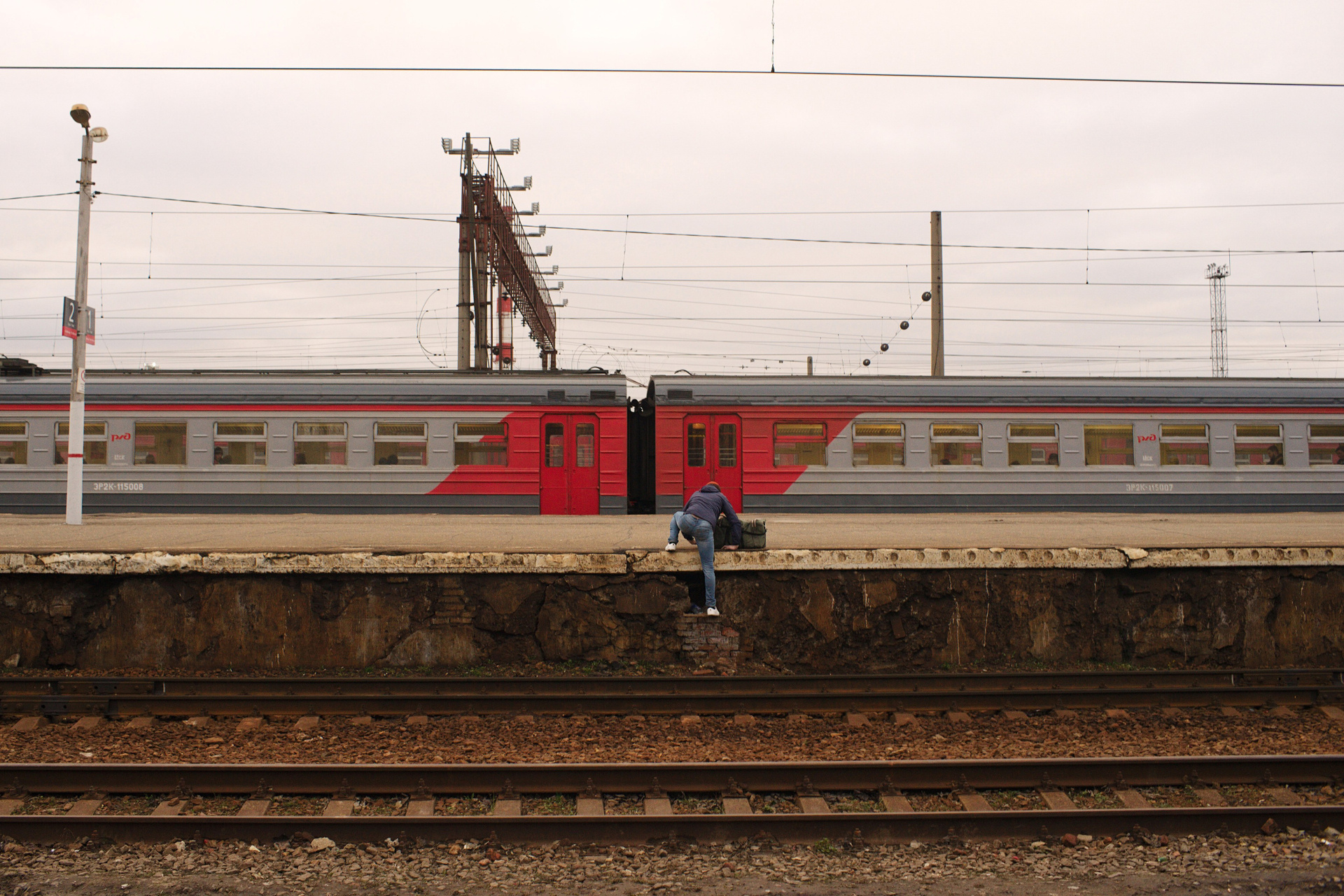
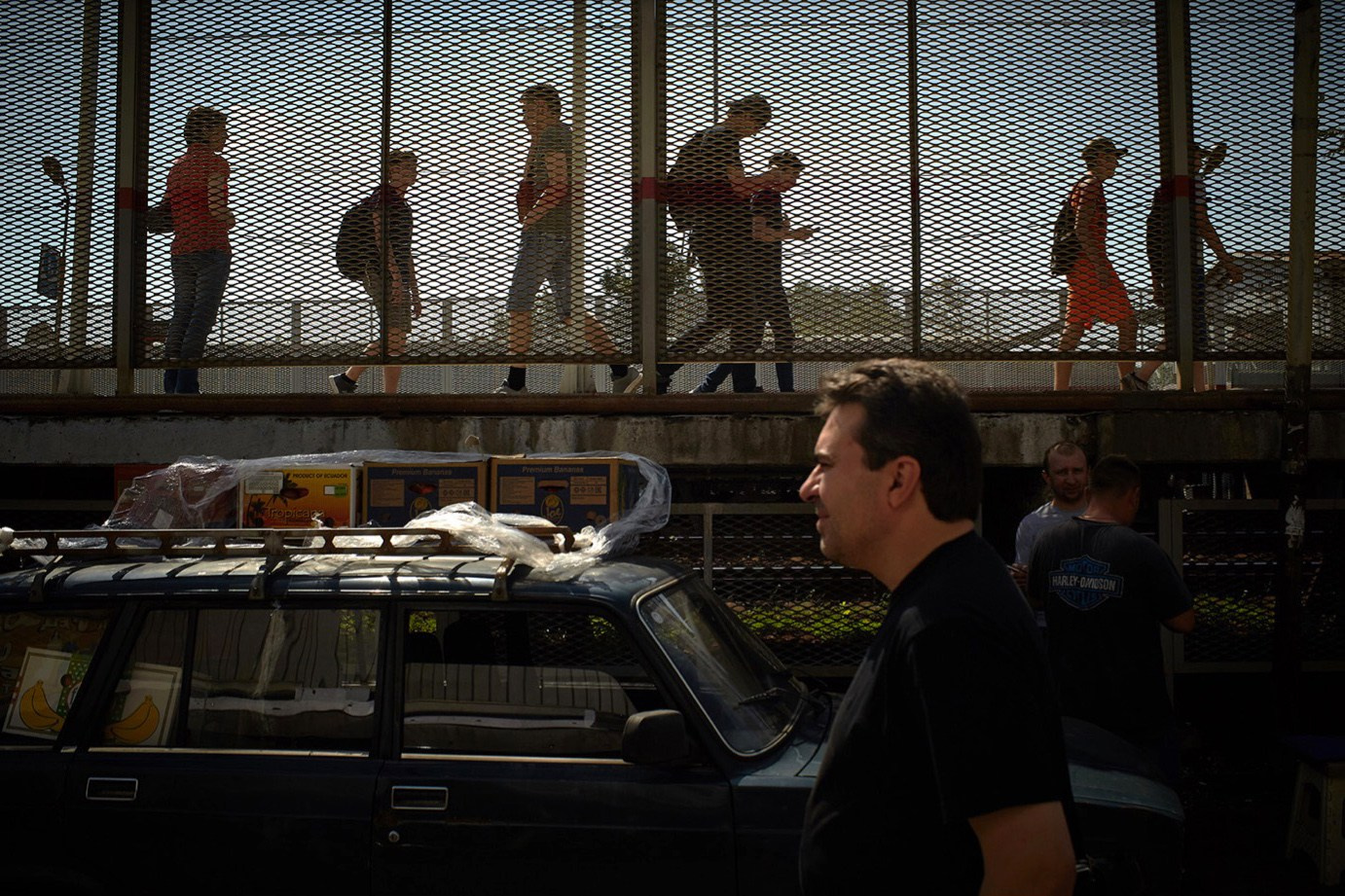
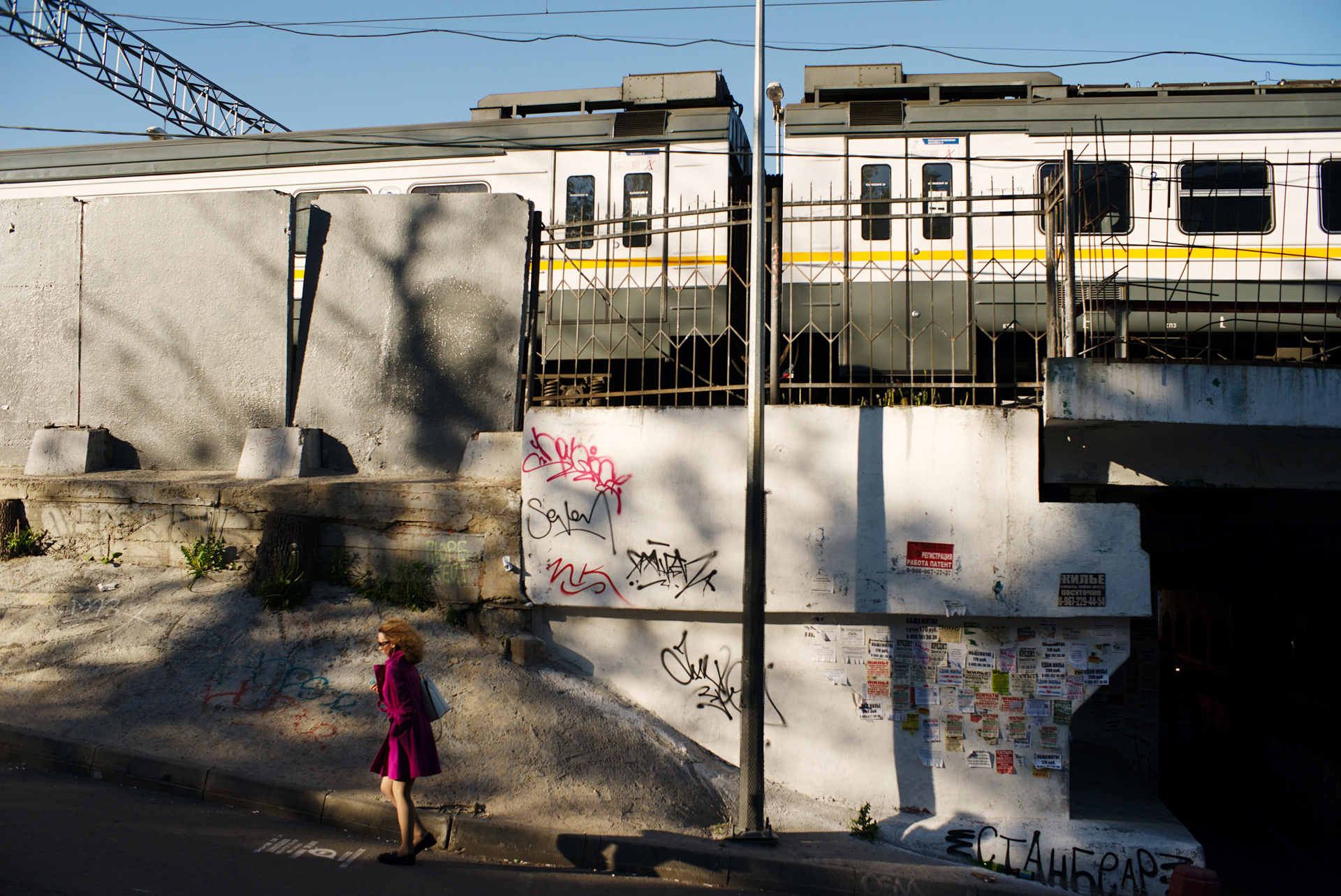
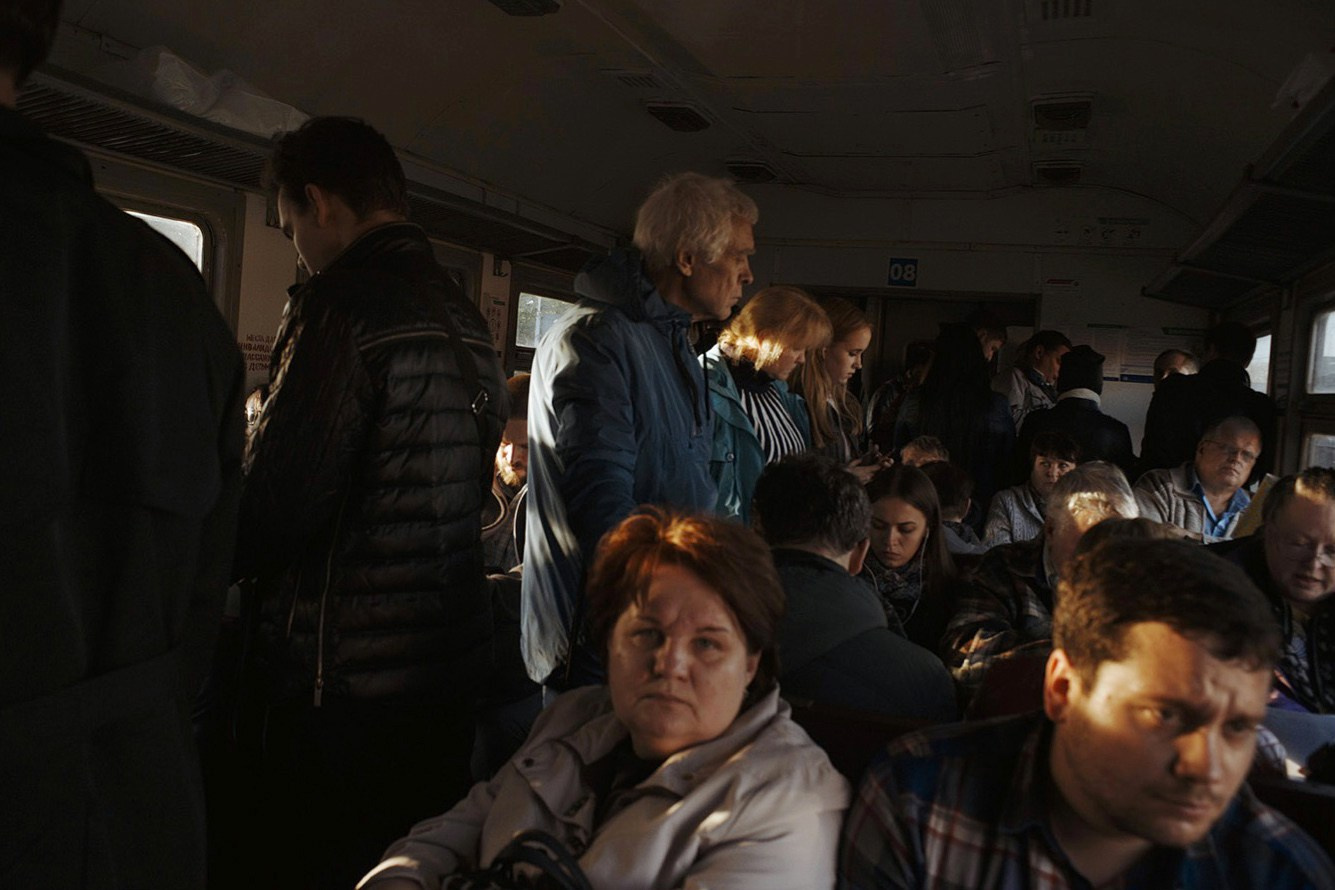
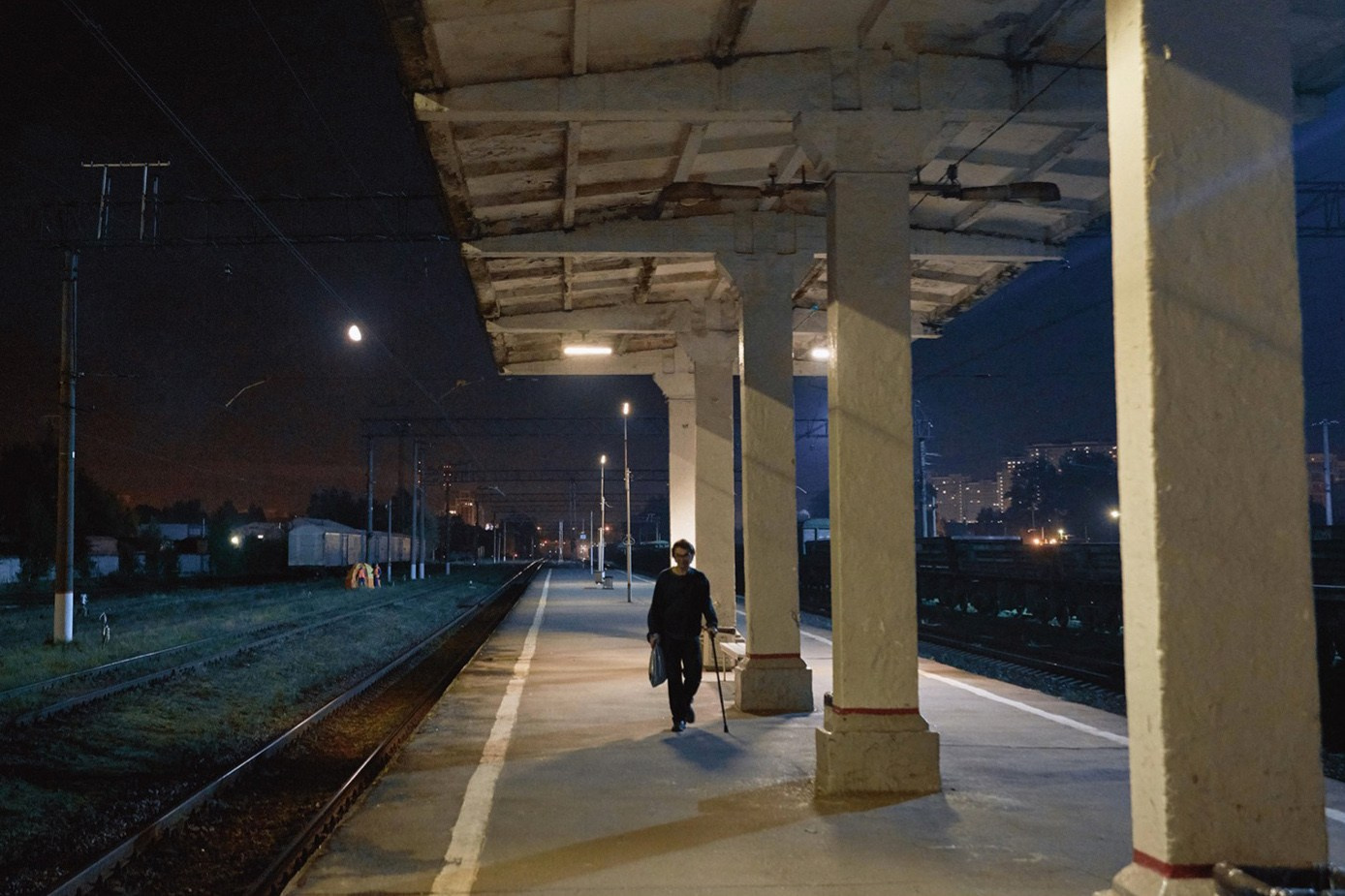
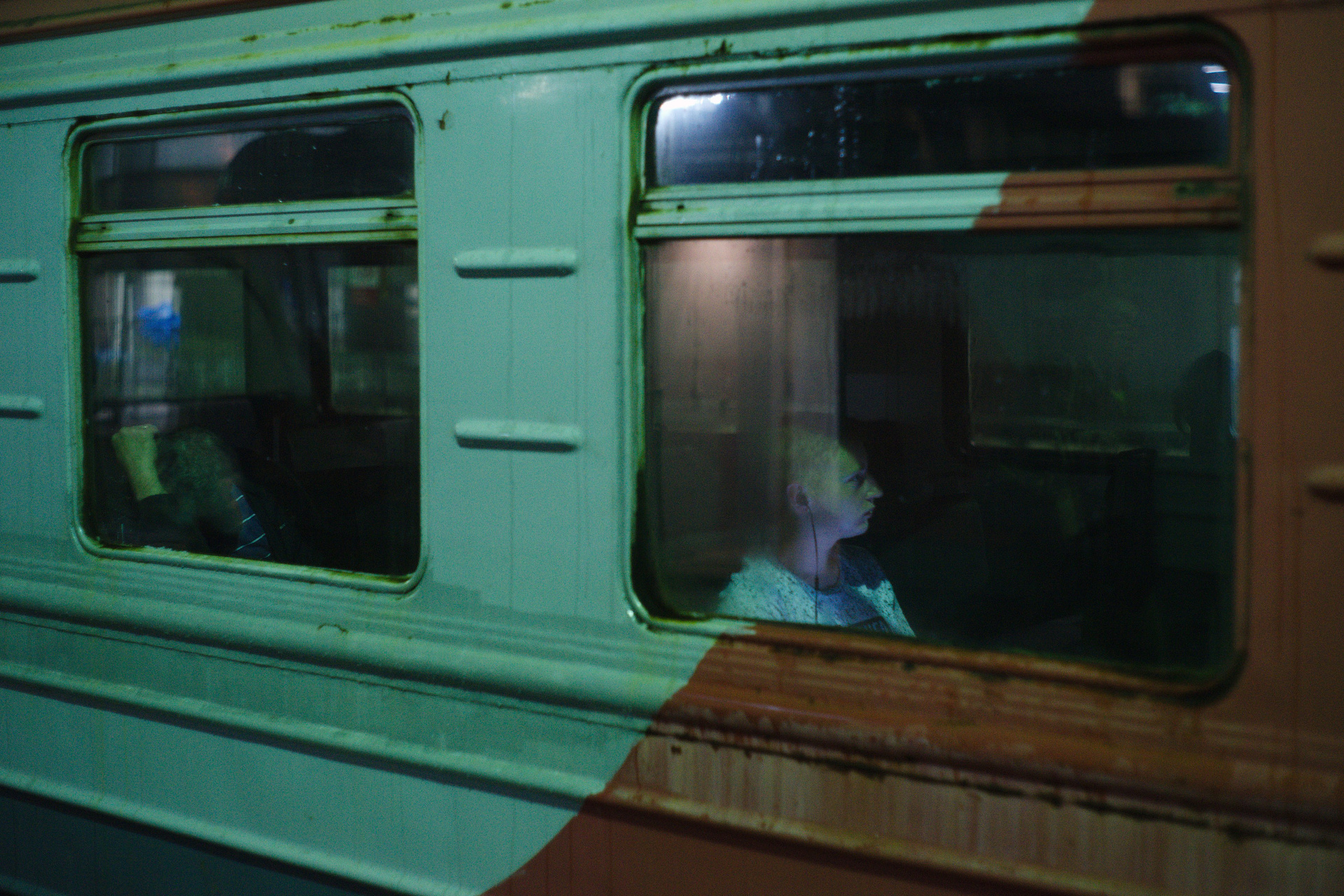
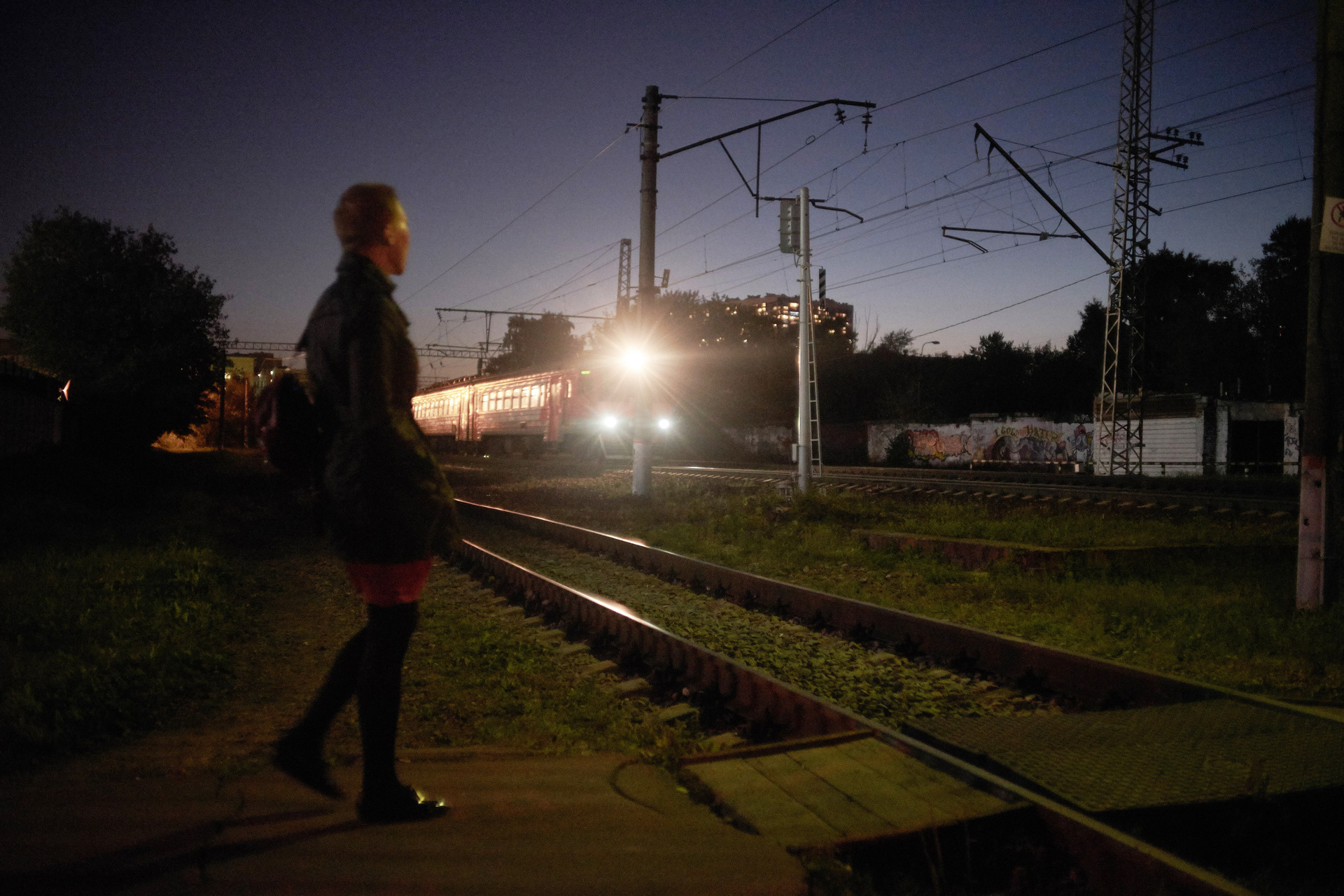
Suburban railways in Moscow and are some kind of parallel reality. A world within a world. A door to the past.
Nowadays urban people in Russian megapolises use to move by metro, public transport or private cars. Electric trains are mostly used by suburban and summer homes residents, who forced to travel every weekday (or weekend) for miles. At the same time, but seems like other space, townsfolk know little about the option to reduce a distance by train, though someitimes it could help save their precious time.
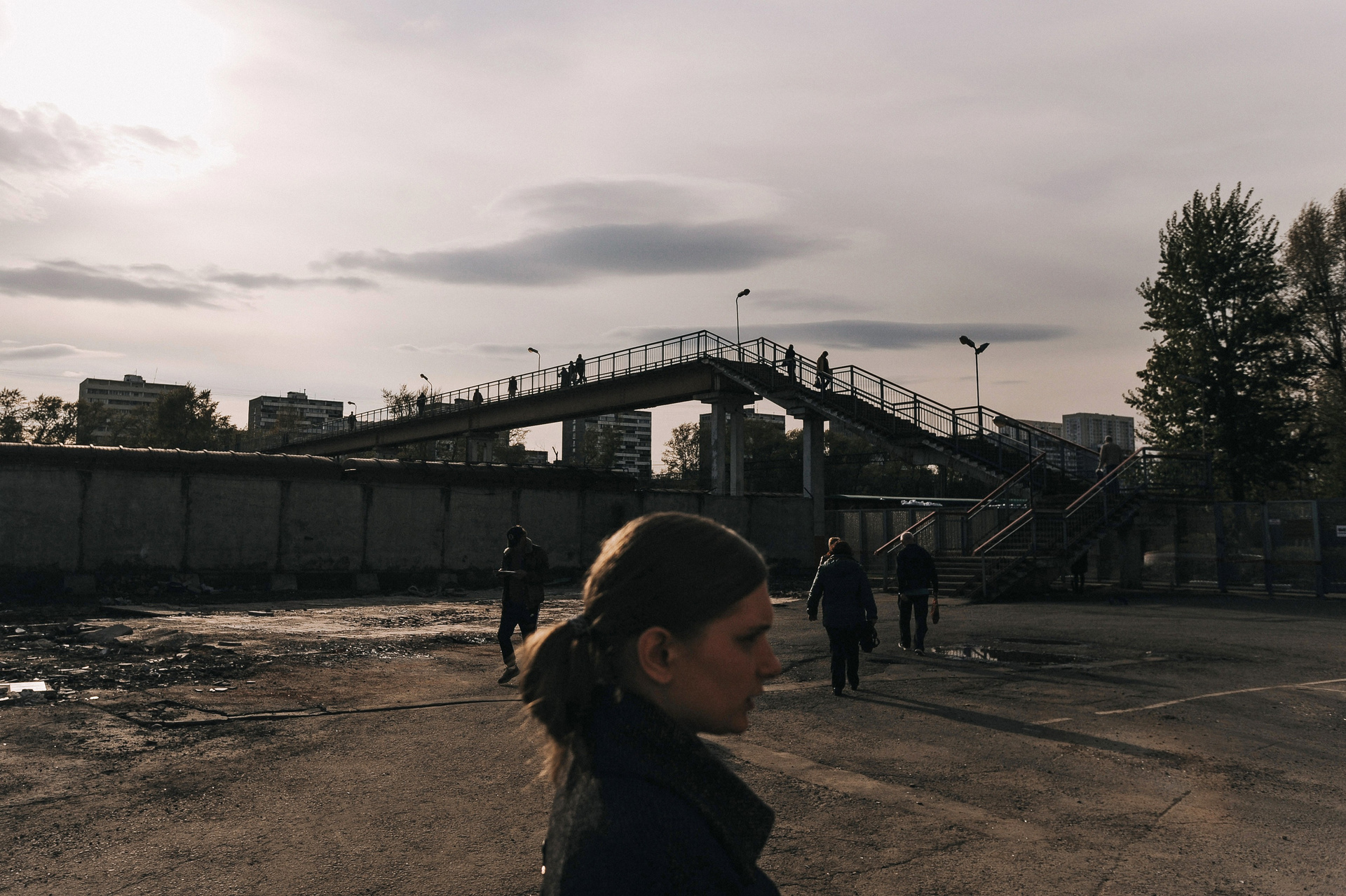
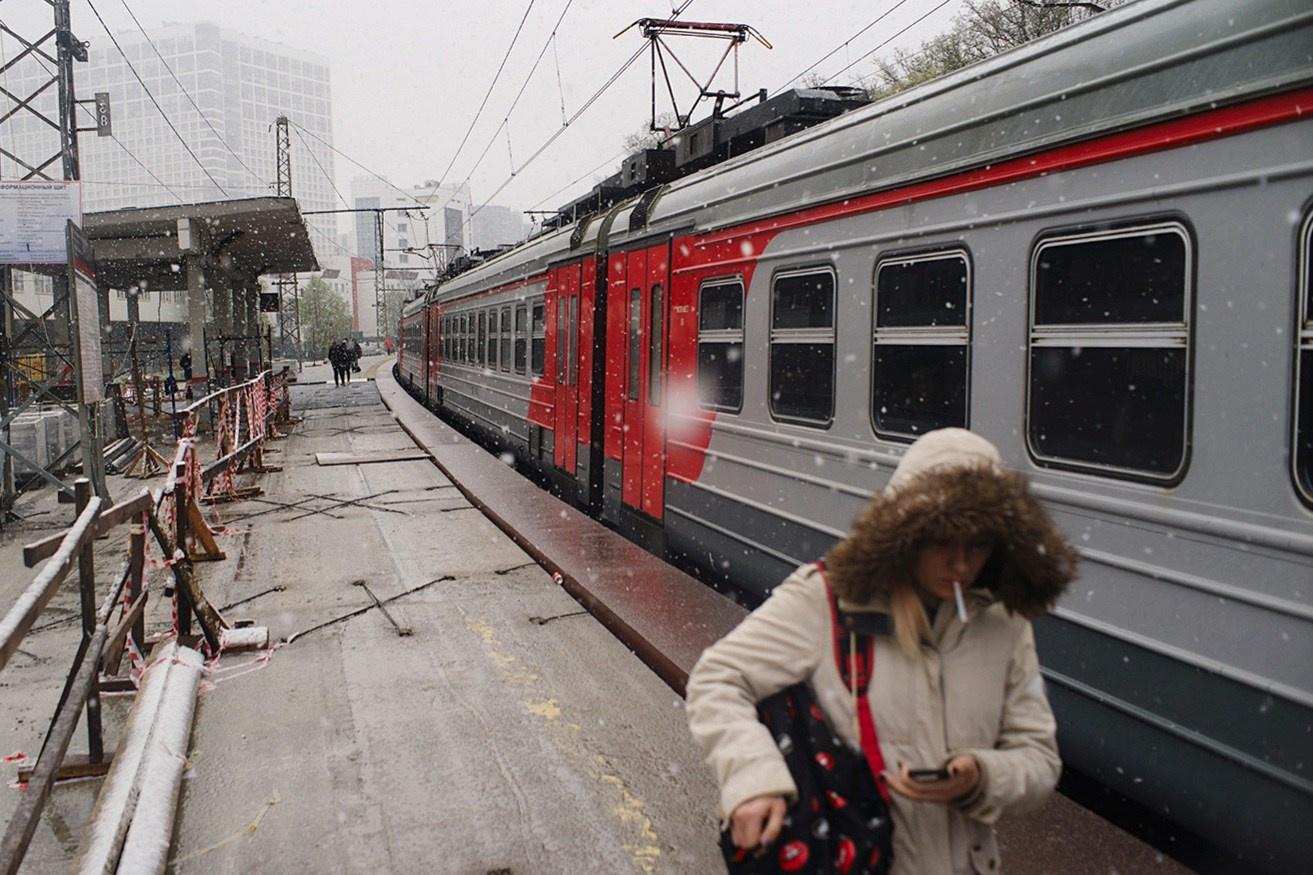
That happens because railway stations were built, sometimes, a hundred and more years ago, in another reality, so they aren’t always situated close to objects of modern infrastructure. Besides, suburban trains are increasingly becoming a economy class transport: they are mostly for the poor, students, pensioners, ‘ghetto dwellers’. Though earlier they were the only possible option to travel between town and country almost for everyone, because most people in 1970s and 1980s haven’t got private cars. Some Muscovites today even consider ride on suburban trains or admitting it a bad taste, for they think it spoils their status.
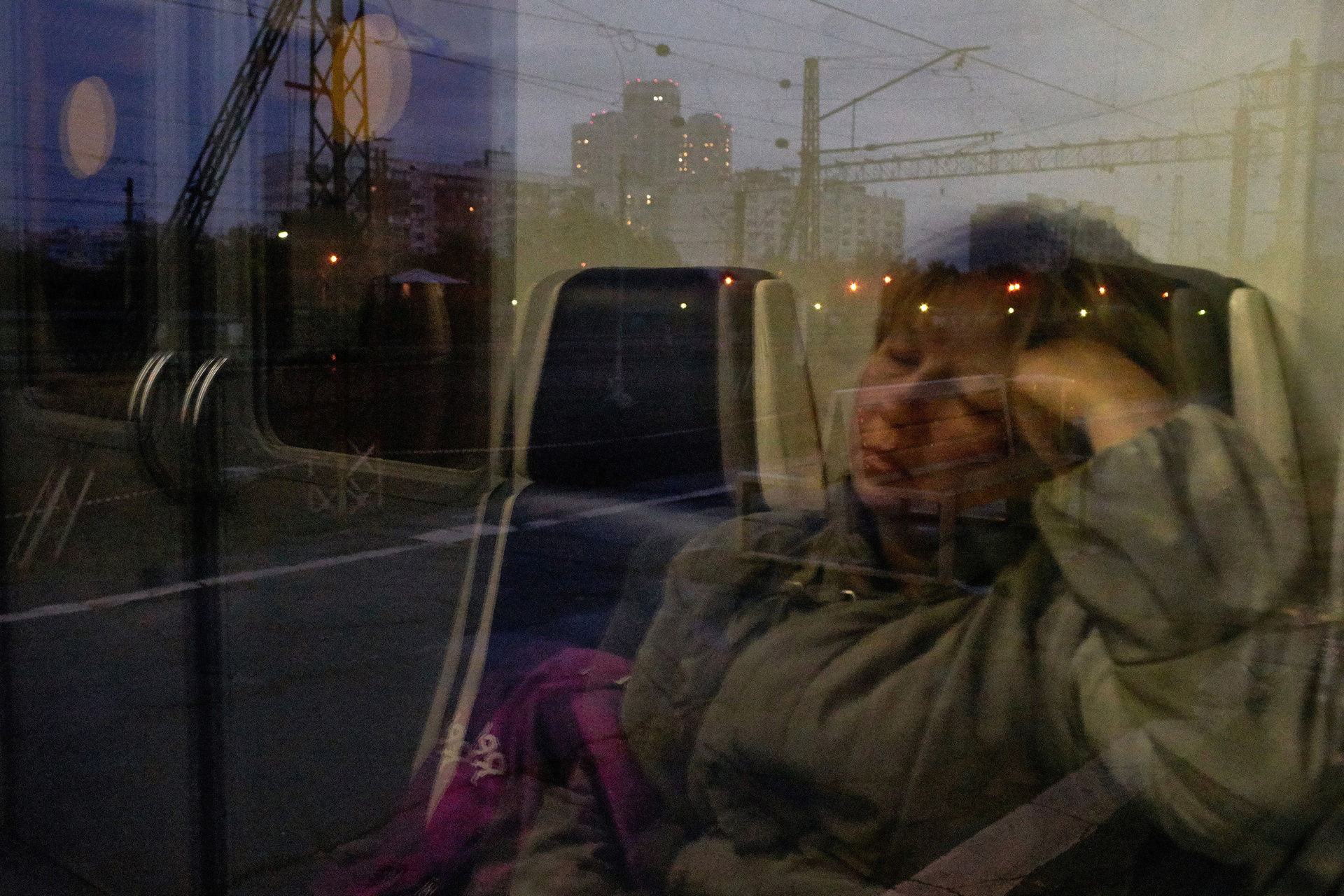
Nevertheless, for province dwellers, electric trains sometimes is the only way to move through the country, giving the opportunity to go without traffic jams, to save money on gasoline or just to stay drunk during the weekend so not to drive. But, the federal government reduces the number of suburban trains in Russian regions.
PS In 2019, the commuter rail system in Moscow underwent significant modernization and expansion, with new transfer hubs created connecting it to the metro. Many stations were rebuilt; their former post-Soviet appearance now survives only in photographs — including those seen here.